1. Does getting a dental crown hurt?
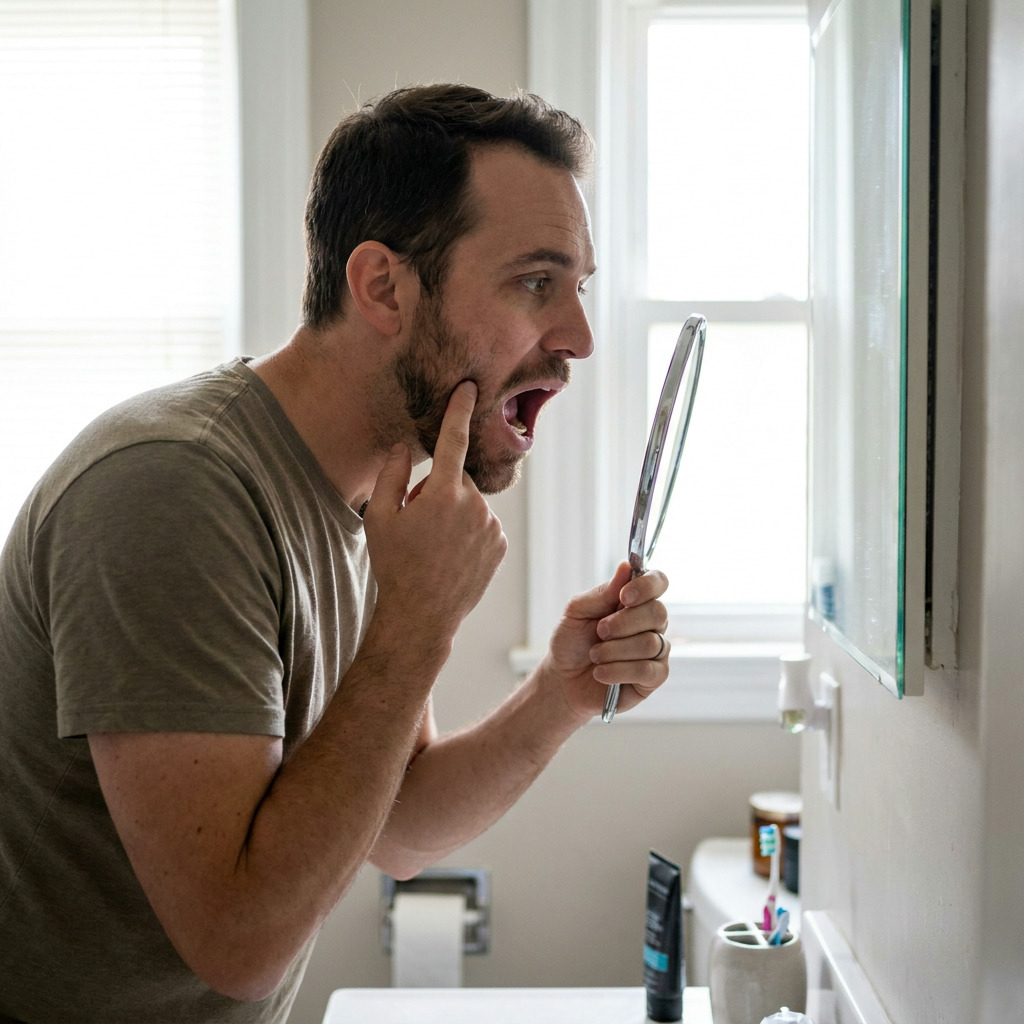
Patients generally experience very little discomfort during treatment because local anesthetic thoroughly numbs the tooth and surrounding gums. After the numbness fades, mild tenderness or sensitivity can occur for a few days, but over-the-counter pain relievers manage it well. Dr. Jason Daaboul prioritizes patient comfort at every step to ensure a smooth, gentle restorative experience.
2. How many visits does a dental crown take?
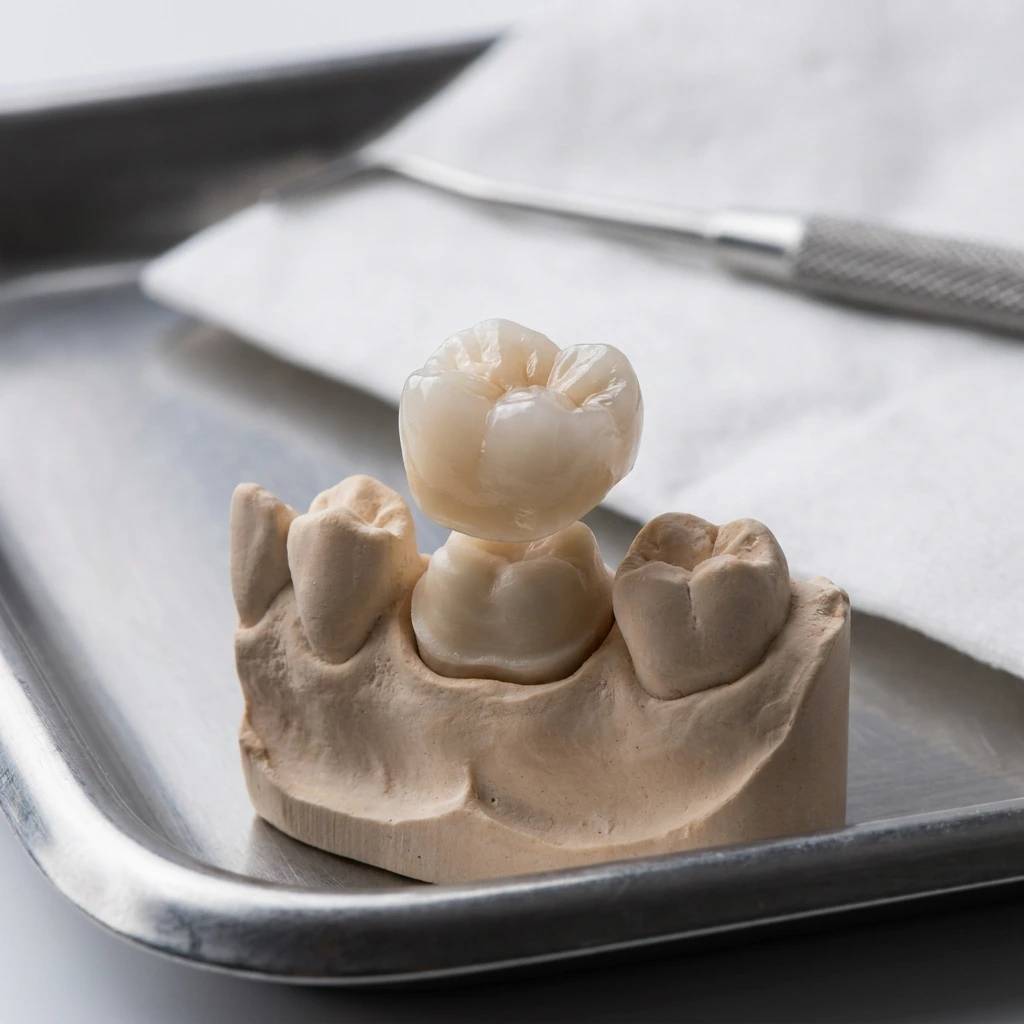
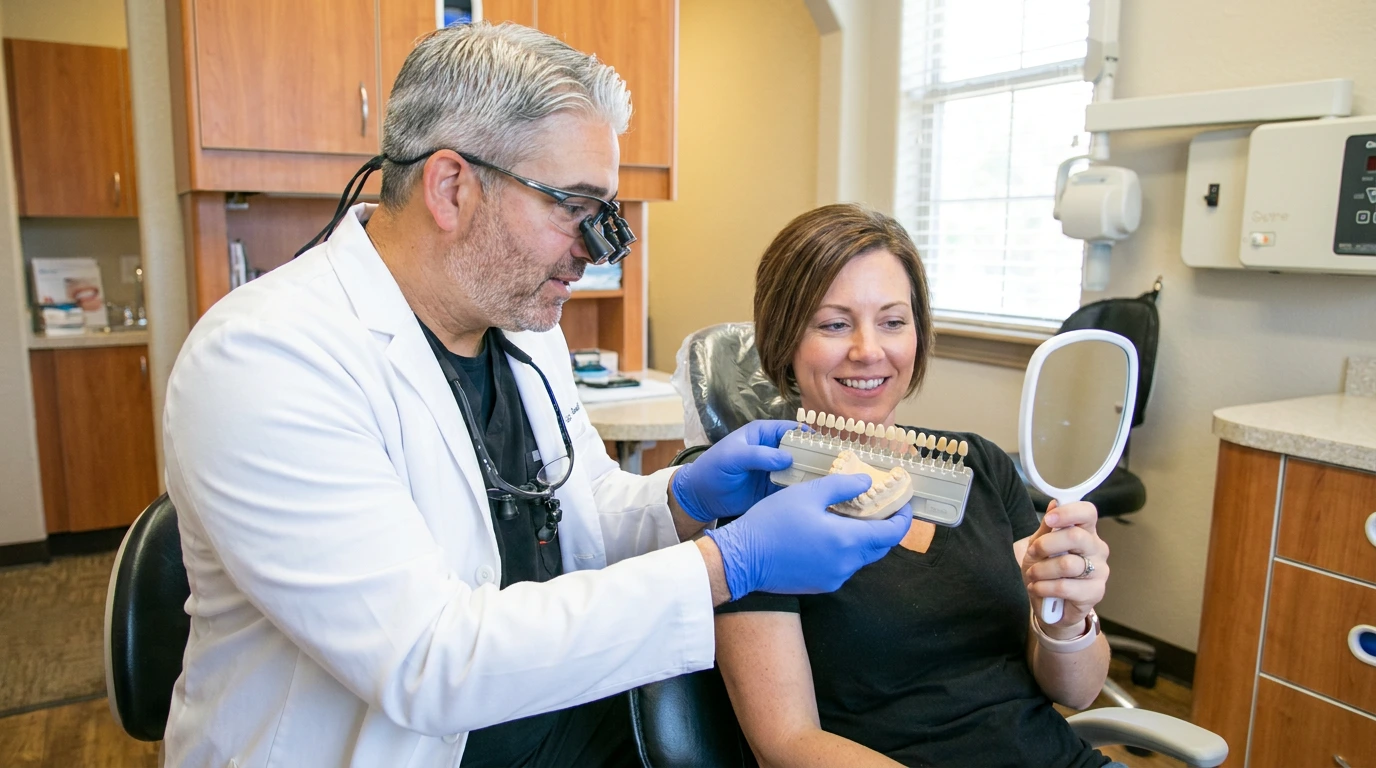
A standard crown procedure typically requires two appointments spaced about two weeks apart. During the initial appointment, Dr. Jason Daaboul shapes the tooth, captures impressions, and places a temporary crown. At the second appointment, he verifies the fit, shade, and bite of your custom restoration before securing it firmly in place.
3. Can a crowned tooth still develop a cavity?
While the artificial crown material cannot decay, the natural tooth structure underneath remains vulnerable at the margin where crown meets enamel. Plaque accumulation along the gumline can lead to recurrent decay beneath the restoration. Daily brushing, regular flossing, and routine dental cleanings are essential for protecting the underlying natural tooth structure.
4. What should you do if a temporary crown comes loose?
If a temporary crown dislodges, keep it safe and contact your dental team promptly to have it recemented. Temporary crowns protect exposed tooth surfaces and maintain proper spacing while your final restoration is crafted. Avoid chewing hard or sticky foods on that side, and never use household adhesives to reattach a loose dental restoration.
5. How do you care for a new dental crown?
Caring for a crown is very similar to caring for natural teeth. Brush twice daily with fluoride toothpaste, floss carefully around the restoration, and attend routine dental exams. If you clench or grind your teeth at night, wearing a protective nightguard helps shield your crown and natural teeth from excessive bite pressure.
6. When is a dental crown recommended instead of a filling?
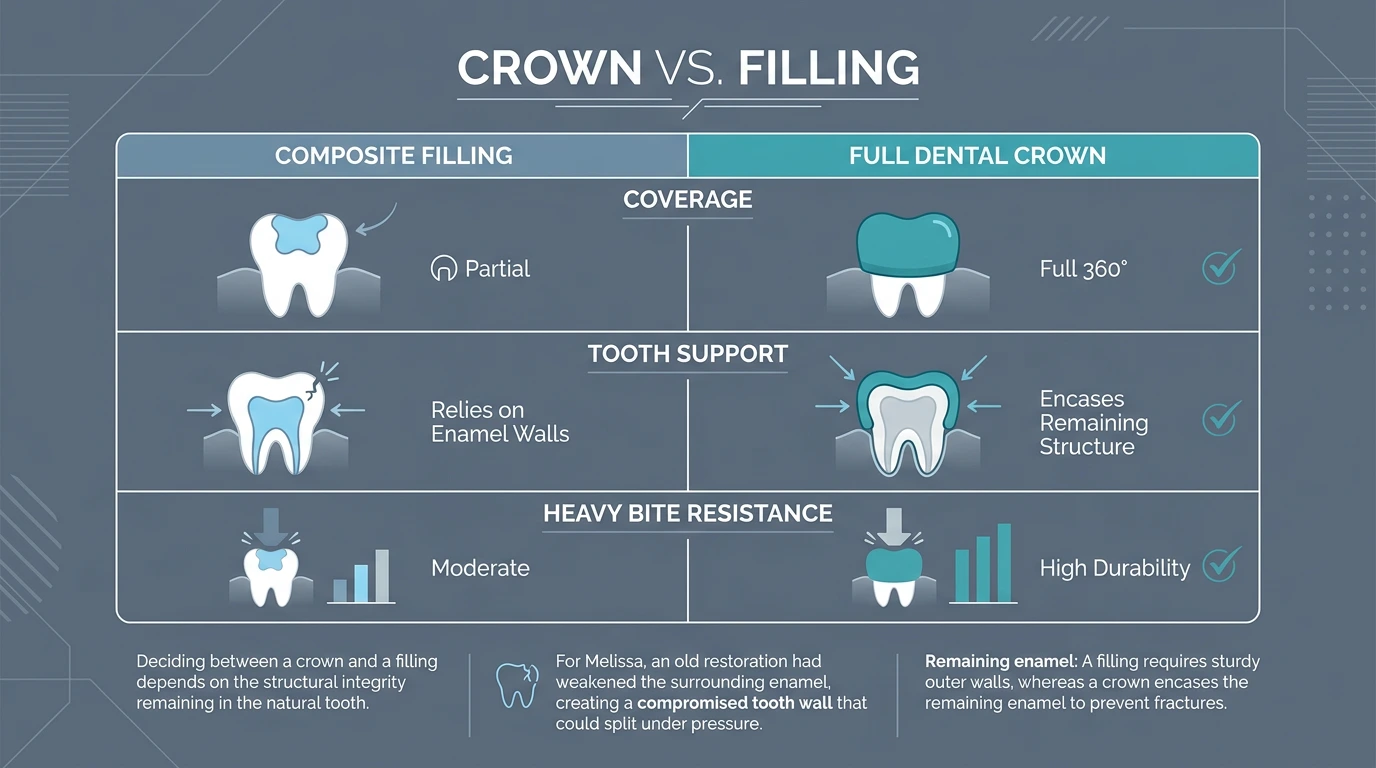
A crown is recommended when tooth damage, cracking, or decay is too extensive for a standard filling to support safely. While tooth-colored fillings repair minor cavities, teeth with significant structural loss need circumferential support. When Melissa sought treatment, Dr. Daaboul explained how full coverage prevents the tooth from fracturing under everyday chewing pressure.